
Editorial update: October 14, 2026. Original reporting dates are unchanged.
The Deal Ledger · Issue 007 · Public Edition
Seven States Moved This Week
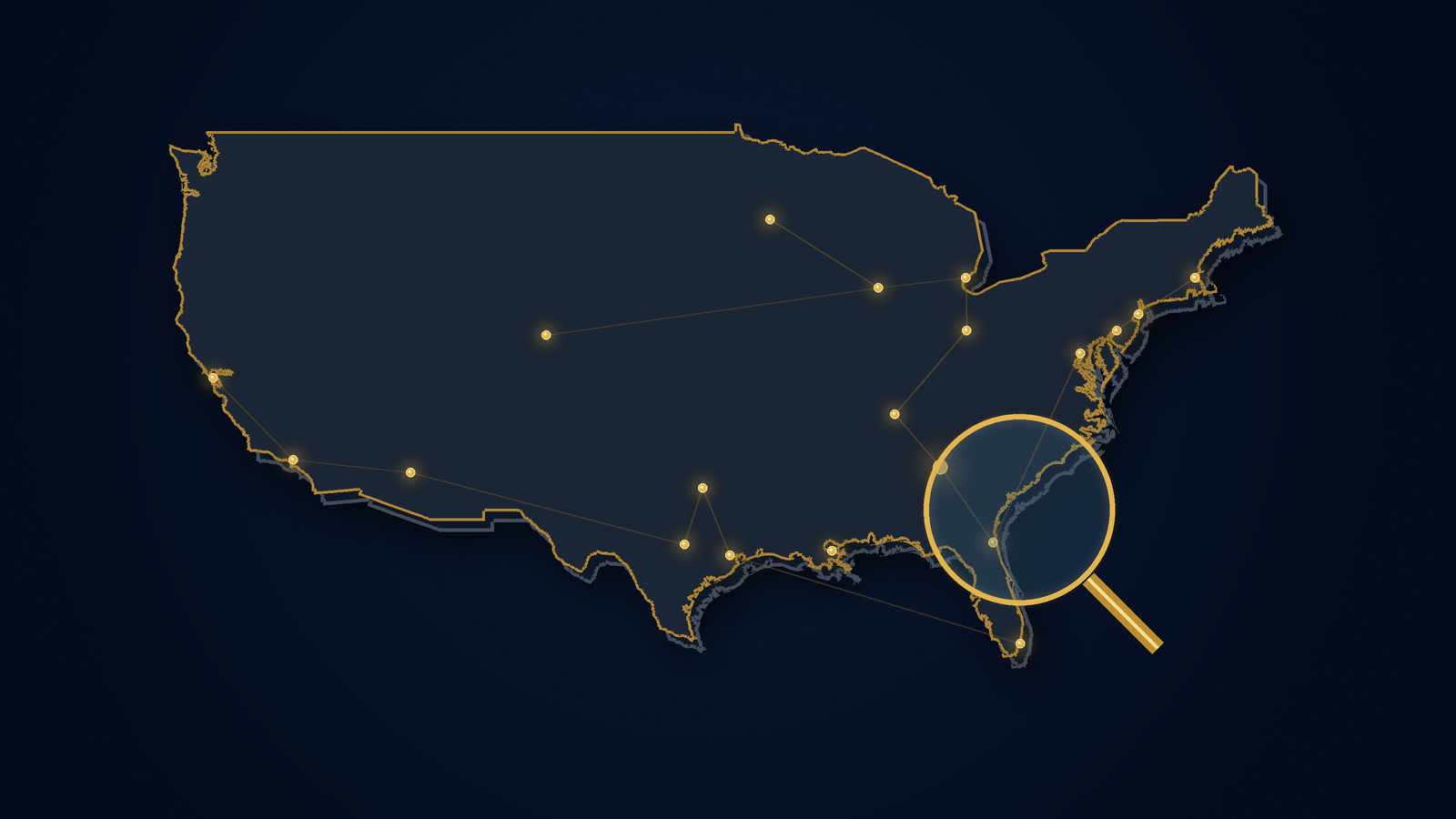
Across 20 monitored states, the weekly review found different kinds of contractor-license movement: expansion, qualification risk, revocation, reassignment, and records catching up with an earlier deal. Those events need different interpretations.
The Weekly Read
Echelon reviewed the latest available contractor records across 20 states. Seven states produced movement strong enough to survive the first publication screen.
The records exposed six different kinds of operating change:
- Service-line expansion
- Qualifier departure
- Loss of authority pending a master hire
- Regulator-level revocation
- License reassignment out of escrow
- Post-deal integration reaching the state record
Those are not six versions of the same signal. They require different responses.
A new service classification can show a competitor entering another line of work, while a no-qualifier suspension indicates a different kind of operating risk. An escrow reassignment shows where licensed authority is being placed. A company-name change may simply record an integration already announced elsewhere.
The changes deserve investigation before anyone treats them as acquisition leads. The question is what each record shows, what remains unknown, and whether the difference warrants a call.
What Changed
| State | Public finding |
|---|---|
| Florida | 161 company-field changes narrowed to 21 active core-trade replacements |
| California | Two plumbing businesses added HVAC authority; one electrical contractor entered a no-qualifier suspension |
| Arizona | One legacy plumbing license lost its named qualifier during a franchise and operating-license transition |
| Colorado | Five electrical contractors became unable to practice pending a master hire |
| Ohio | Two license company fields changed from ESCROW to named companies |
| Tennessee | One Nashville contractor moved from Active to Revoked |
| Texas | 30 business-field changes included 24 company-to-company replacements |
A license-field change is not necessarily a sale. The figures below count records or field changes, not acquisitions, sellers, or distinct businesses unless the section says otherwise.
Florida Shows Why the Raw Feed Is Not the Answer
Florida changed the company attached to 161 contractor-license records between August 8 and August 15.[2]
The total included general contracting, roofing, pools, HVAC, plumbing, electrical, and specialty work. It also mixed company additions, removals, replacements, status changes, brand consolidation, and administrative cleanup.
The first screen produced:
| Screen | Records remaining |
|---|---|
| All company-field changes | 161 |
| HVAC, plumbing, and electrical | 48 |
| Active company-to-company replacements | 21 |
The 21 remaining records were not 21 acquisitions. They were 21 active license relationships that deserved further investigation.
One public example: Haines and Grande Aire
One Florida HVAC record changed from Haines Air Conditioning & Refrigeration to Grande Aire Services.
That might look like a new transaction if viewed only through the weekly state file. It was not.
United Air Temp announced its recapitalization of Grande Aire in July 2022, and that transaction included Haines Air Conditioning & Refrigeration.[3] Grande Aire now presents the Naples operation as formerly Haines.[4]
The 2026 license movement was the regulated record catching up with a known integration.
This matters because an unscreened lead feed could make two mistakes at once:
- Present Haines as an independent acquisition target.
- Present the August 2026 record change as a newly discovered transaction.
Both conclusions would be wrong.
The current roster shows only the latest company relationship. Comparing it with archived snapshots identifies when the record changed; the 2022 deal announcement then places that 2026 change in its proper timeline.
The Signals We Are Not Publishing in Full
The private Issue 007 action board contains the identities and records behind the following movements.
Five contractors unable to practice
Five Colorado electrical contractors changed from Active to a status stating that they need to hire a master and cannot practice. All five credentials displayed September 30, 2026 expiration dates, so ordinary expiration did not explain the change.[5]
The subscriber question is not simply who changed status. It is:
- Which companies have meaningful operating footprints?
- Did the master leave one company for another?
- Is replacement authority pending?
- Is the business continuing through a related licensed entity?
- Does the event create a target, a risk, or a competitor-capacity opening?
Two companies added a new trade
Two California plumbing businesses added the C-20 HVAC classification during the weekly window. One already markets heating and air service. The other’s local public offer still centers on plumbing.[1]
That difference matters. One record confirms a visible expansion. The other may show regulated authority moving before the marketing catches up.
One electrical contractor reached the state-action tier
A California C-10 electrical contractor moved from clear status to Suspended, No Qualifier. The displayed license expiration was still in 2027.[1]
This is stronger than an inferred personnel disappearance because the regulator placed the license into a no-qualifier suspension. The public record does not explain the departure or establish seller intent.
One franchise transition crossed legal entities and licenses
An Arizona plumbing operation’s legacy license remained suspended while its named qualifier disappeared. The customer-facing brand pointed to a franchise operation whose active plumbing authority sat on a different legal entity and license.[6]
The records support an operating transition. They do not establish an acquisition.
One contractor was revoked before expiration
A Nashville contractor moved from Active to Revoked while displaying an expiration date in 2028 and a published monetary limit of $300,000.[7]
That is an operating-risk event. The state record does not disclose the cause.
Texas produced leads, not a deal headline
Texas recorded 30 business-field changes. Twenty-four replaced one named company with another.[8]
Some resolved to existing trade-name and legal-entity relationships. Others remain open research leads. None cleared the evidence threshold for a public acquisition claim.
Unresolved company names stay off the public acquisition list because the records alone cannot establish a transaction. The subscriber board retains the movements and the supporting records for further investigation.
Private acquisition intelligence
What the subscriber receives
$500 per month · five monitored markets
What the Subscriber Receives
The public edition answers: What kinds of movement occurred?
The private Deal Ledger answers:
- Which businesses moved?
- What exactly changed?
- Is it a new signal, known history, or administrative noise?
- Which legal entity, brand, qualifier, and license are involved?
- What evidence supports the interpretation?
- What remains unknown?
- What should the buyer verify next?
- Does the target fit the buyer’s mandate?
- Has another subscriber received first look?
Each subscriber defines a private acquisition mandate covering:
- Five metropolitan markets
- Target trades
- Residential, commercial, or industrial focus
- Target size
- Platform, tuck-in, or owner-operator profile
- Transaction preference
- Known exclusions
Every Tuesday, the subscriber receives movement filtered against that mandate rather than a generic national list.
Actionable targets receive one active first-look assignment at a time within directly overlapping mandates. The standard first-look period is 14 calendar days.
Standard Deal Ledger coverage is $500 per month for five monitored markets.
Apply for Deal Ledger coverage

Why Accumulated History Matters
Government rosters usually show a current license and its company relationship. They do not always explain why that relationship changed, which is why the older snapshot and any independent deal announcement matter.
Without archived snapshots:
- A prior company relationship disappears.
- A qualifier change looks like a static roster entry.
- A new trade classification has no visible starting point.
- A post-deal integration can be mistaken for a new transaction.
- A status restriction can be missed until an ordinary directory catches up.
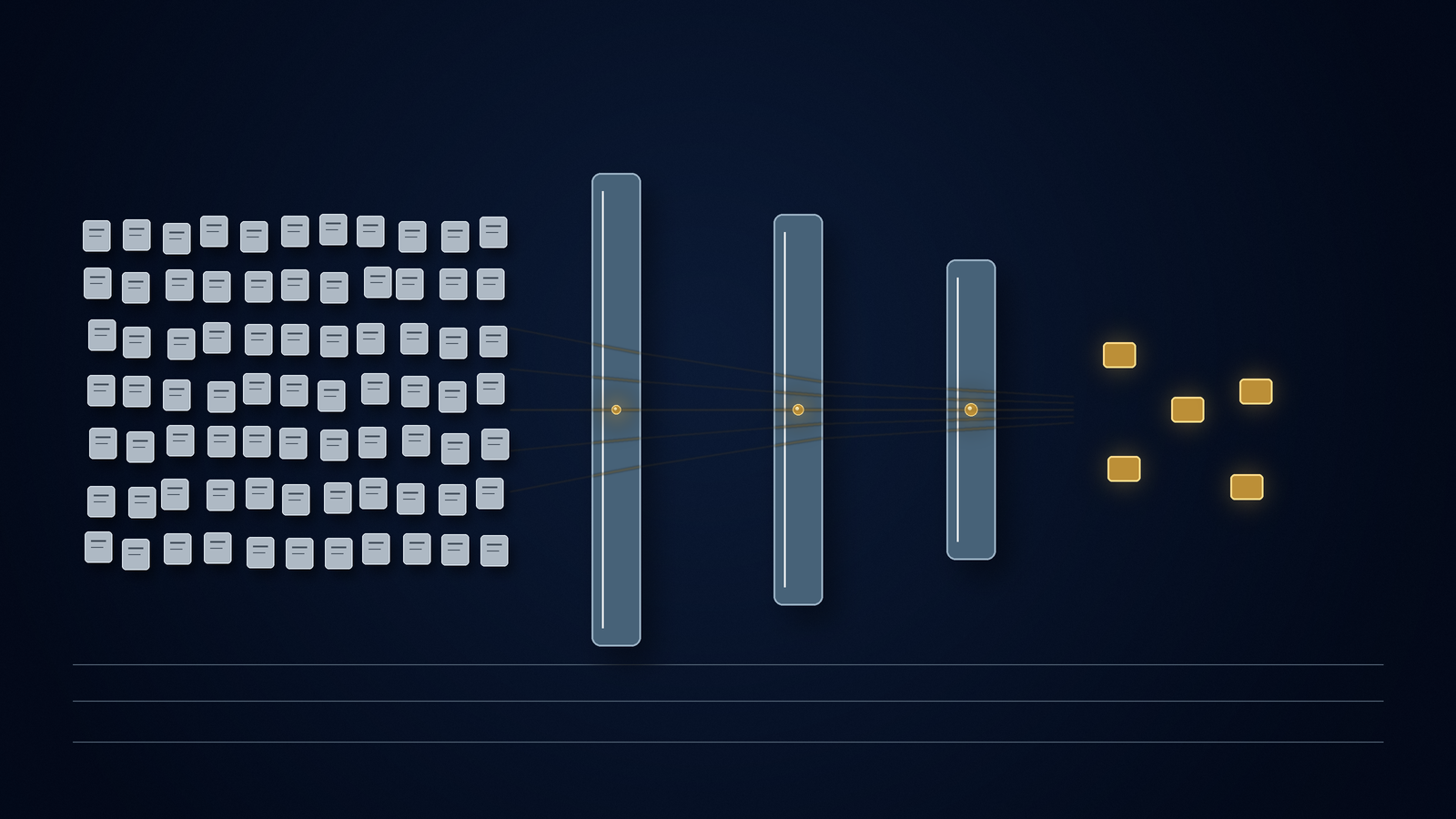
Echelon compares archived records, checks the companies behind a change, and separates administrative updates from movements that merit further research.
The advantage compounds. Every weekly snapshot adds another layer of history that cannot be recreated from today’s roster alone.
The public Deal Ledger demonstrates the system. Subscribers receive the identities, verification, prioritization, and first-look workflow needed to act on it.
Review the Deal Ledger and request coverage
Coverage Note
All 20 covered states were reviewed for Issue 007. Seven produced publishable movement. The remaining states either produced no individual business event strong enough for publication or lacked a complete current change layer.
A state without a public item is not outside coverage. It means the available evidence did not clear the publication threshold.
Weekly diffs compare two endpoints. A record can change and revert between snapshots without being observed. A record absent from a later file is treated as not observed until the source basis is reconciled. It is not automatically called removed, departed, expired, or sold.
Sources
[1] California Contractors State License Board, Public Data Portal and licensing classifications: https://www.cslb.ca.gov/onlineservices/dataportal/ContractorList
[2] Florida Department of Business and Professional Regulation, Construction Industry and Electrical Contractors public records: https://www2.myfloridalicense.com/construction-industry/public-records/
[3] Summit Park, “United Air Temp Expands Presence in Florida,” July 5, 2022: https://www.summitparkllc.com/news/united-air-temp-expands-presence-in-florida/
[4] Grande Aire Services, Naples company history: https://www.grandeaire.com/naples/about-us/
[5] Colorado Department of Regulatory Agencies, license lookup: https://apps2.colorado.gov/dora/licensing/Lookup/LicenseLookup.aspx
[6] Arizona Registrar of Contractors, contractor search: https://roc.az.gov/search
[7] Tennessee Department of Commerce and Insurance, license search: https://search.cloud.commerce.tn.gov/
[8] Texas Department of Licensing and Regulation, Air Conditioning and Refrigeration Contractors: https://www.tdlr.texas.gov/acr/
The Deal Ledger is public-records intelligence and analytical research. It is not legal, tax, financial, investment, or brokerage advice. A public-record signal does not establish seller intent, ownership, transaction status, or investment suitability. Confirm all material facts through legal, financial, regulatory, and operational diligence.
MIKE WARNER | ECHELON REPORTS
mike@echelonreports.com